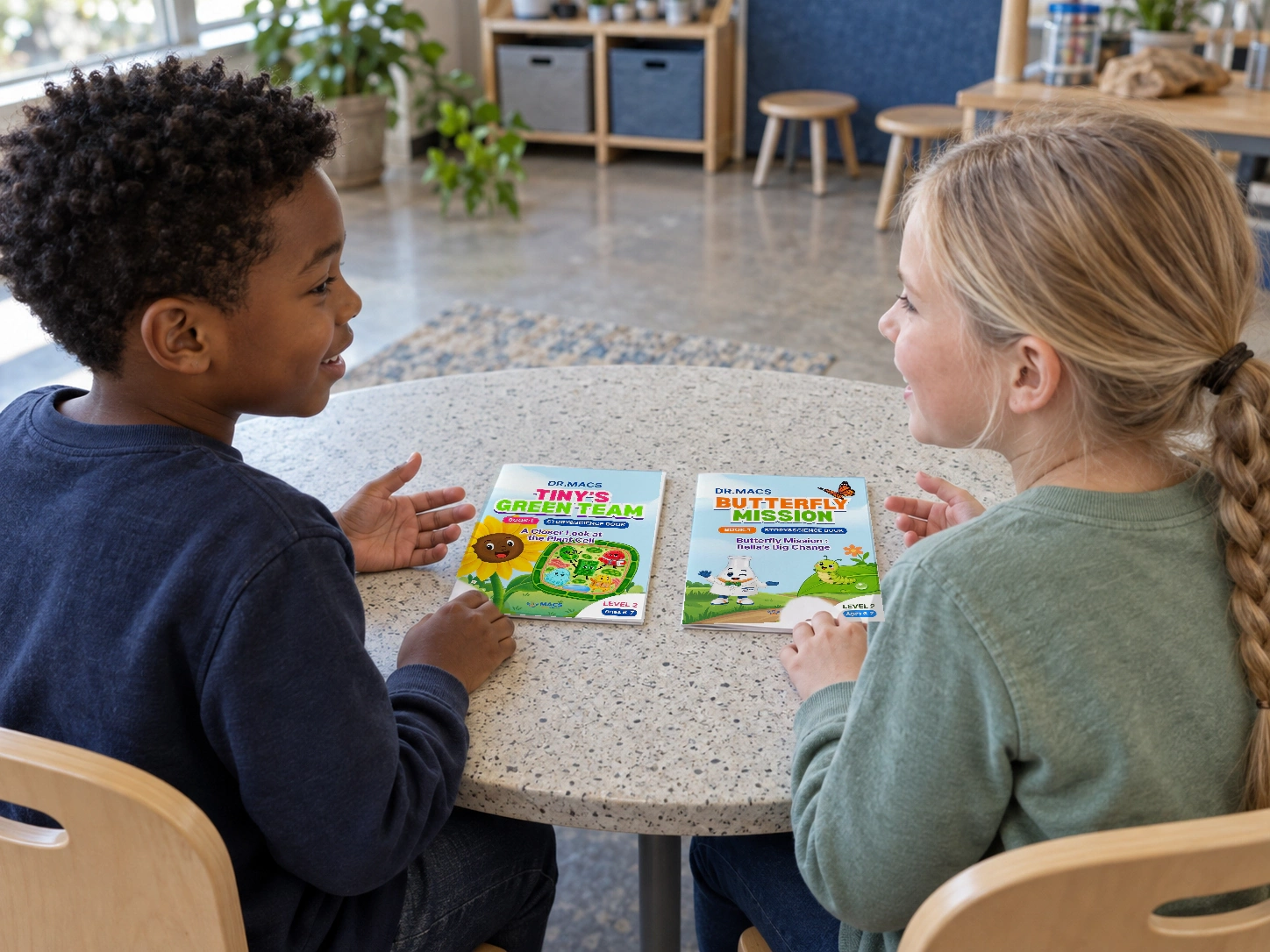
One themed mission
The science story, workbook, and making activity all explore the same idea, so each part leads naturally to the next.
MACS Food & Science Kits · Ages 5+
Hands-on STEAM home kits for curious kids.
Start with questions and cook the idea.
Interested in a partnership? Contact us
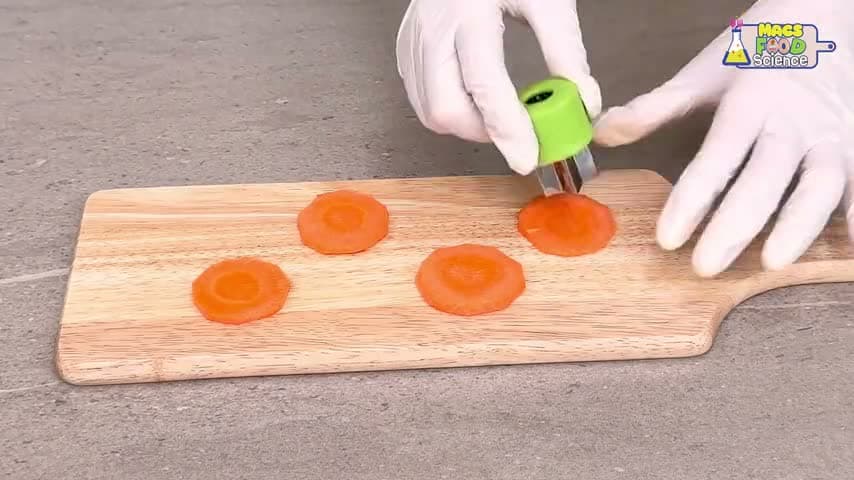
Cell Soup
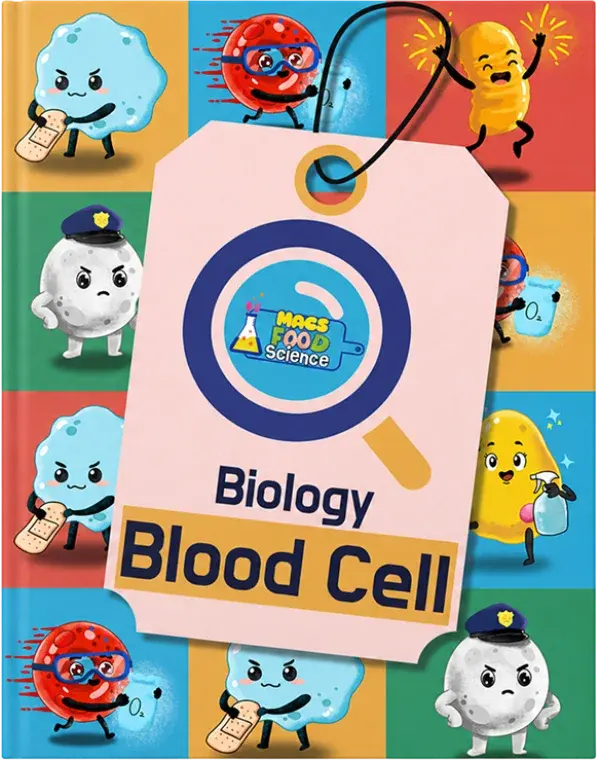
Blood cell meatball soup
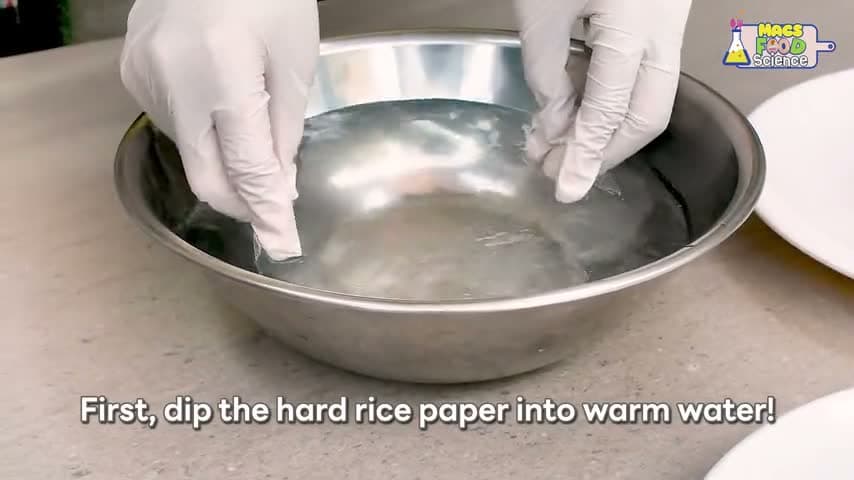
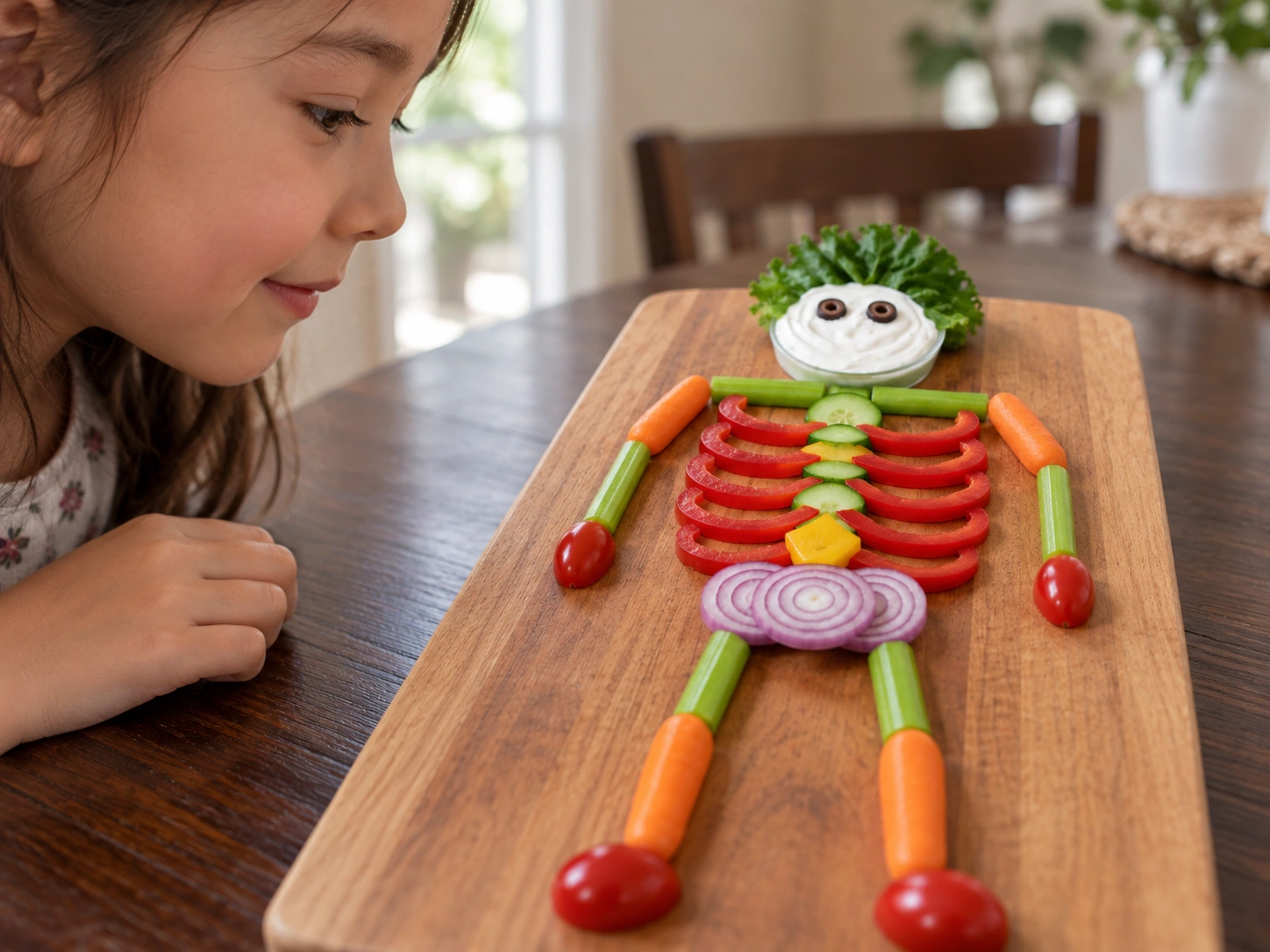
Wiggly Skeleton Veggie Roll
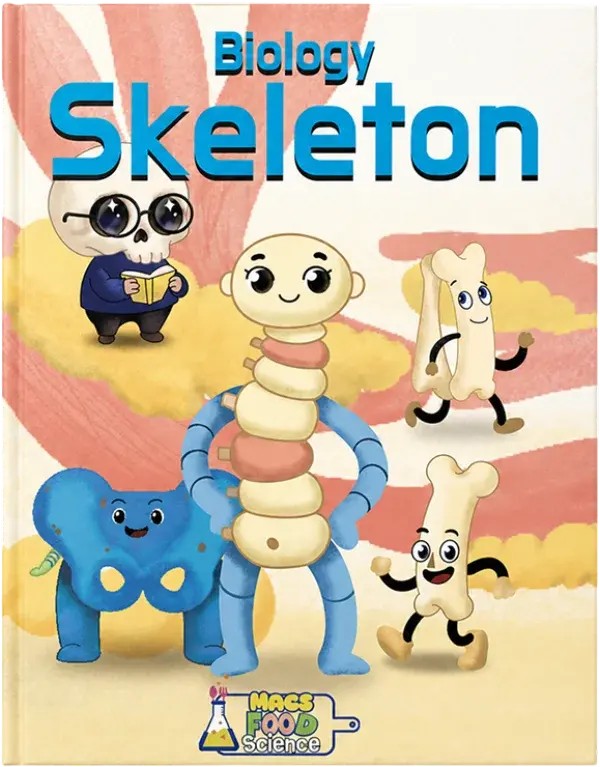
Skeleton spring rolls
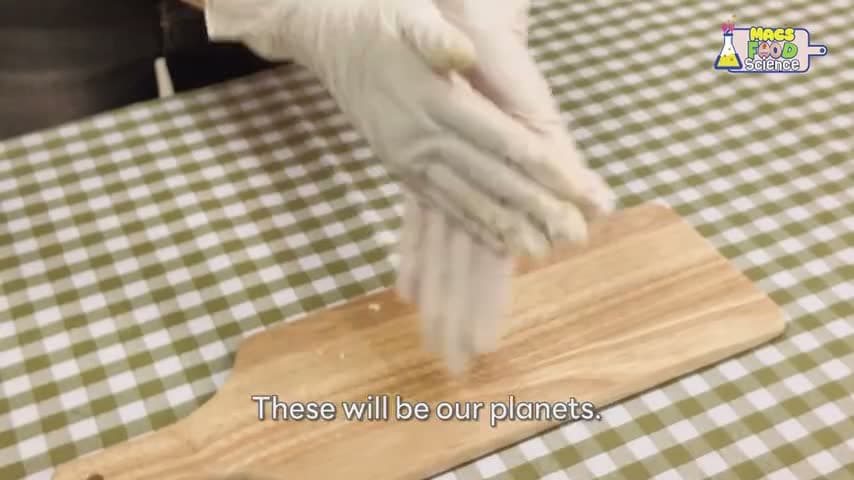
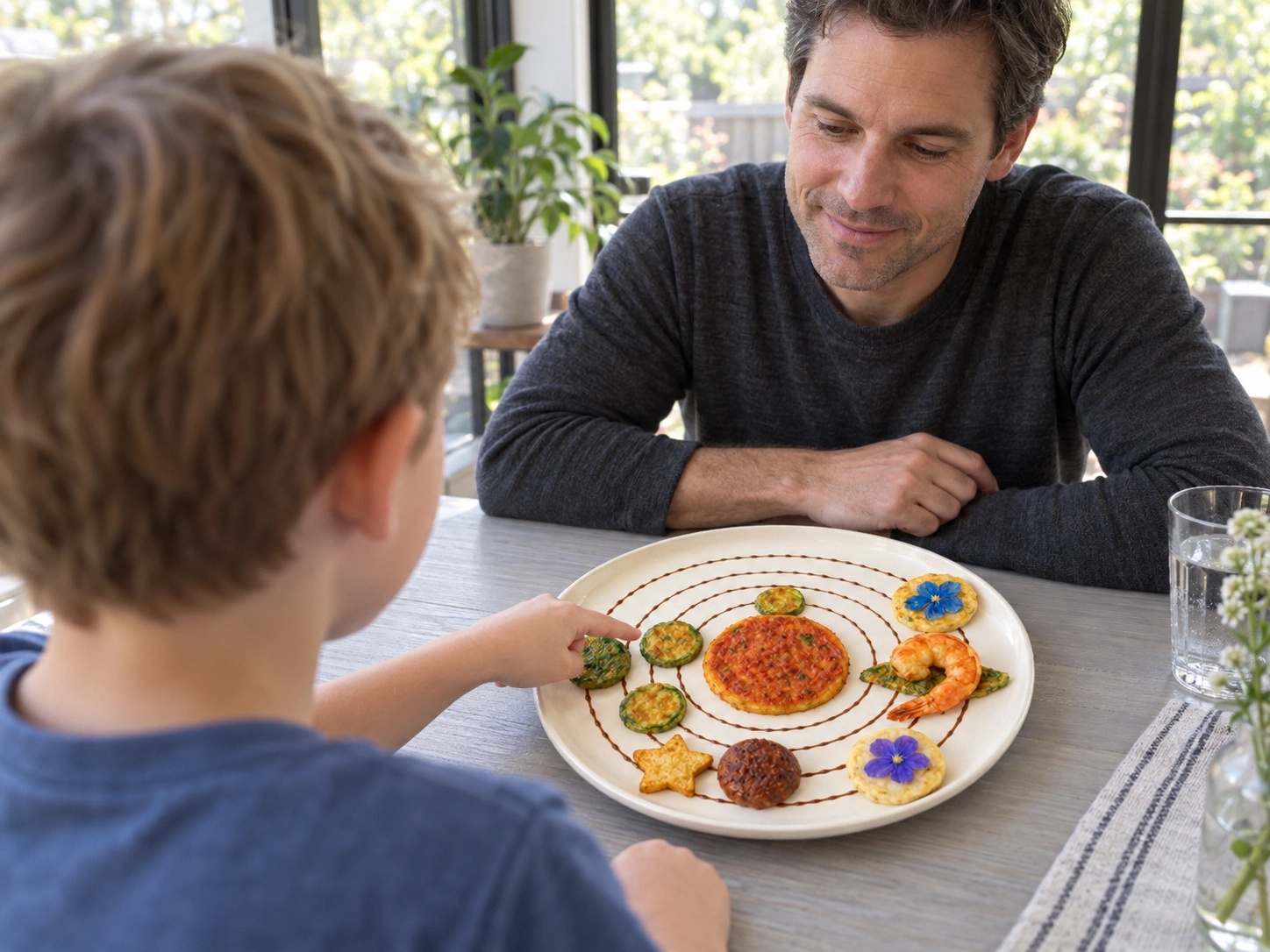
Yummy Solar System
An edible solar system
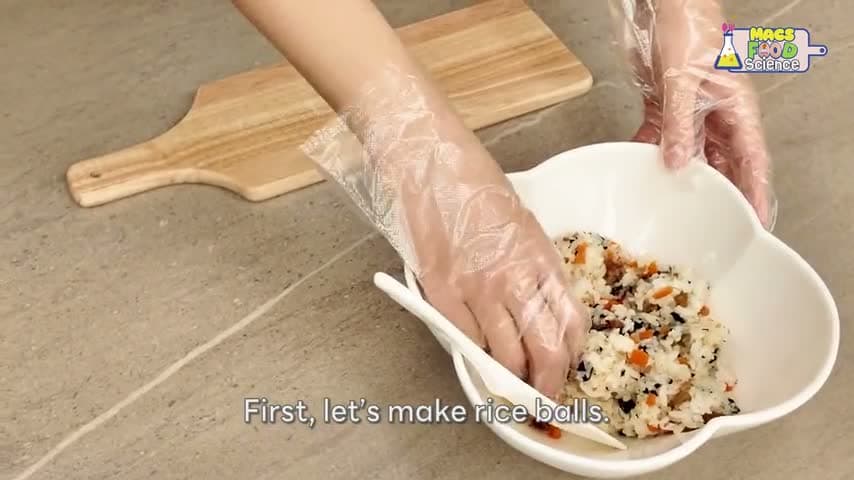
Dragon Fruit DNA & Genes Bento Box
Dragon fruit DNA lunchbox
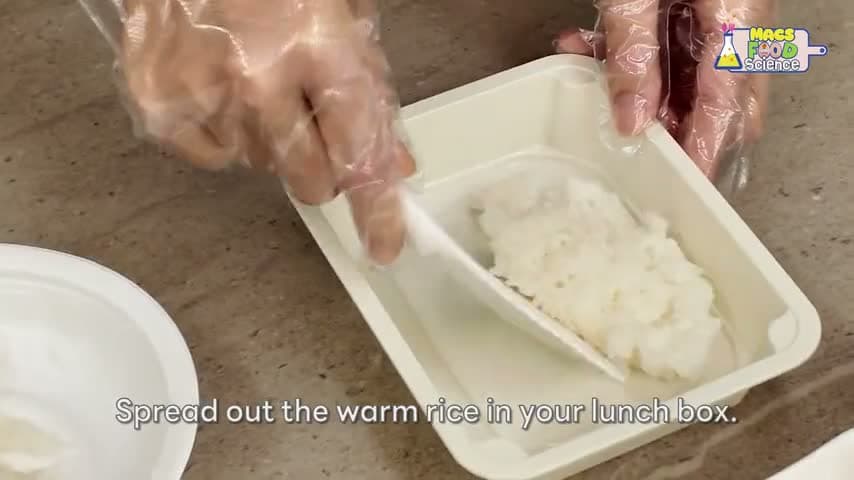
Coral Reef Garden Bento Box
Coral reef garden lunchbox
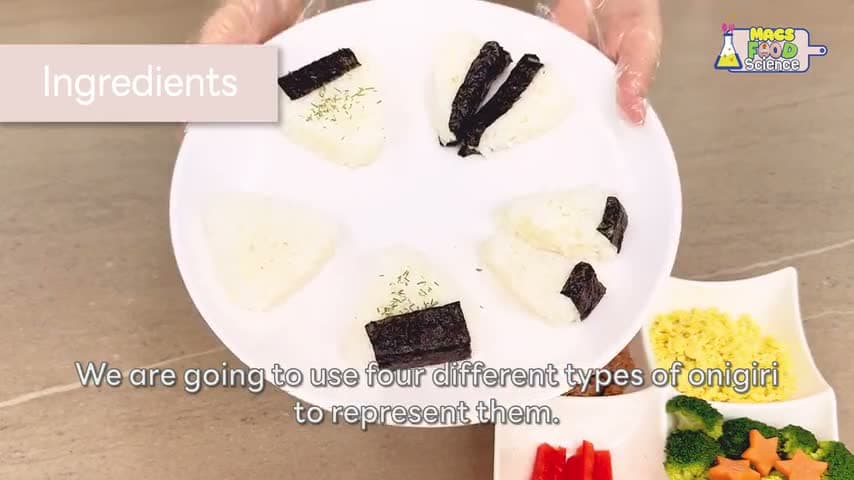
Earth Science Bento Box
Earth's layers onigiri lunchbox
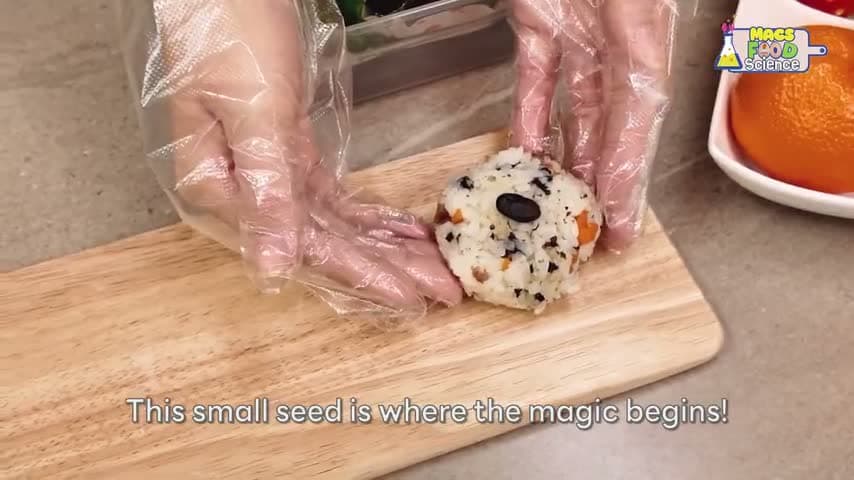
Tangerine Plant Life Cycle Bento Box
Jeju mandarin growth story lunchbox
The problem is the missing connection
between what children do and what they understand.

Kids do what the instructions say. They never get to guess, test, or be wrong.
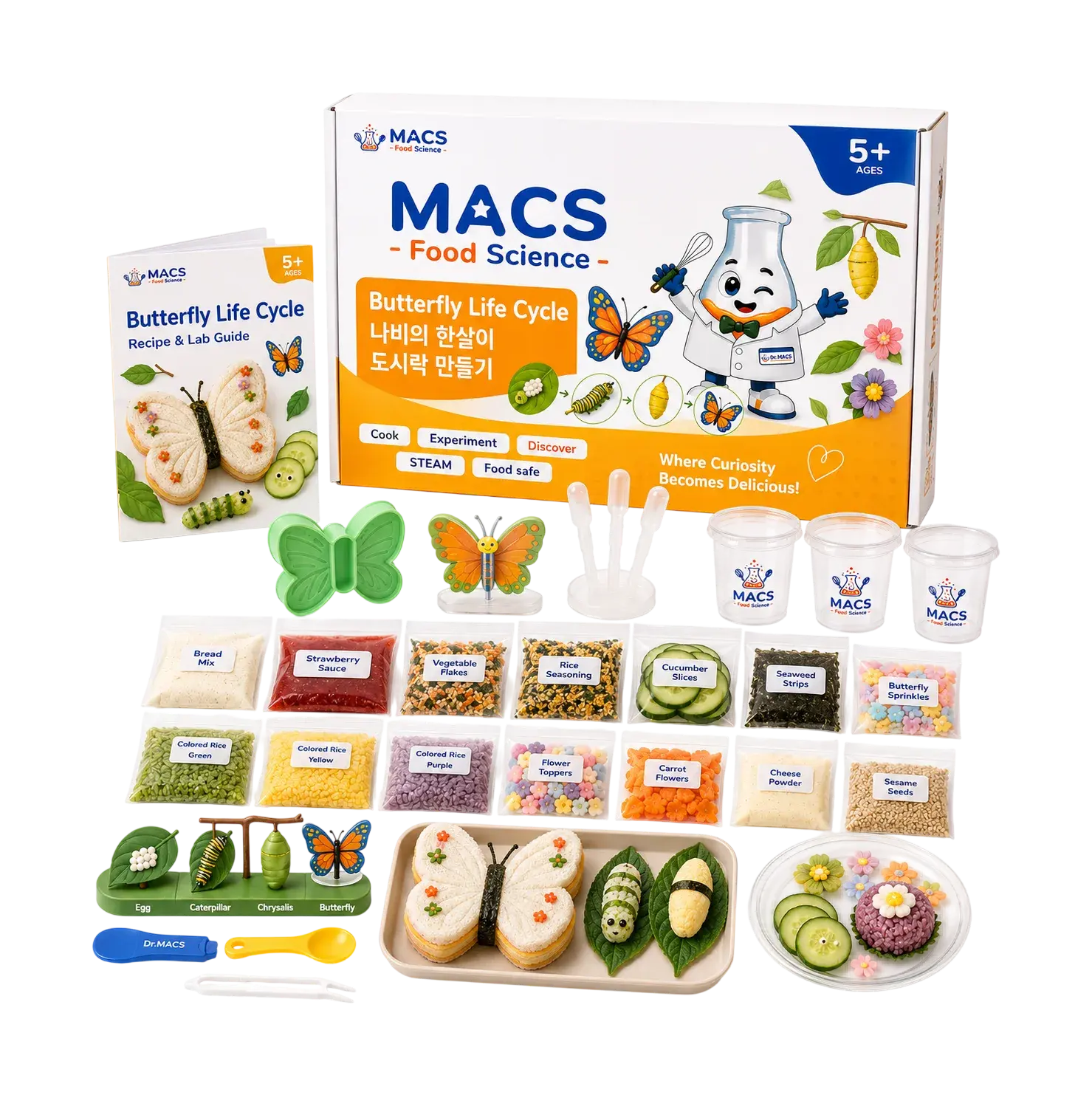
Contents of a MACS KIT
Nothing to plan, nothing to shop for.
One mission kit holds everything you need.
The science story, workbook, and making activity all explore the same idea, so each part leads naturally to the next.
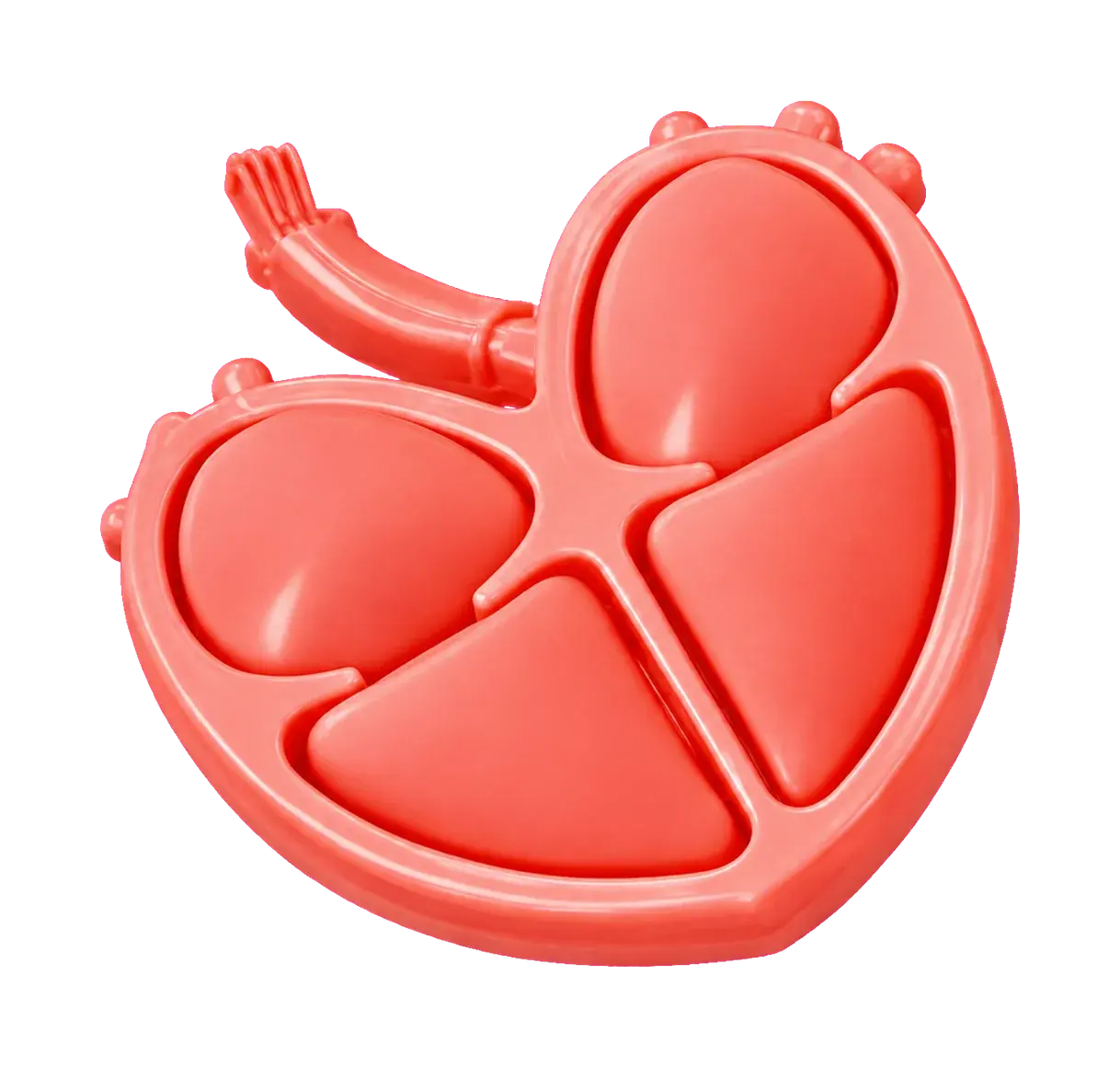
Shape the prepared materials into the main form used in the science model.
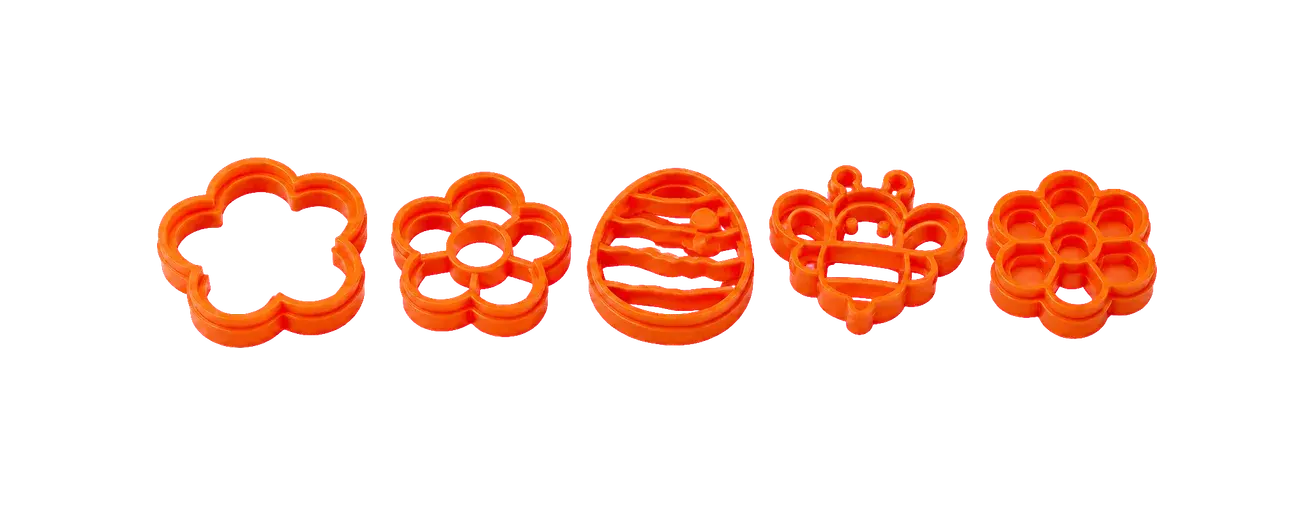
Cut the materials into the smaller shapes needed to assemble the model.
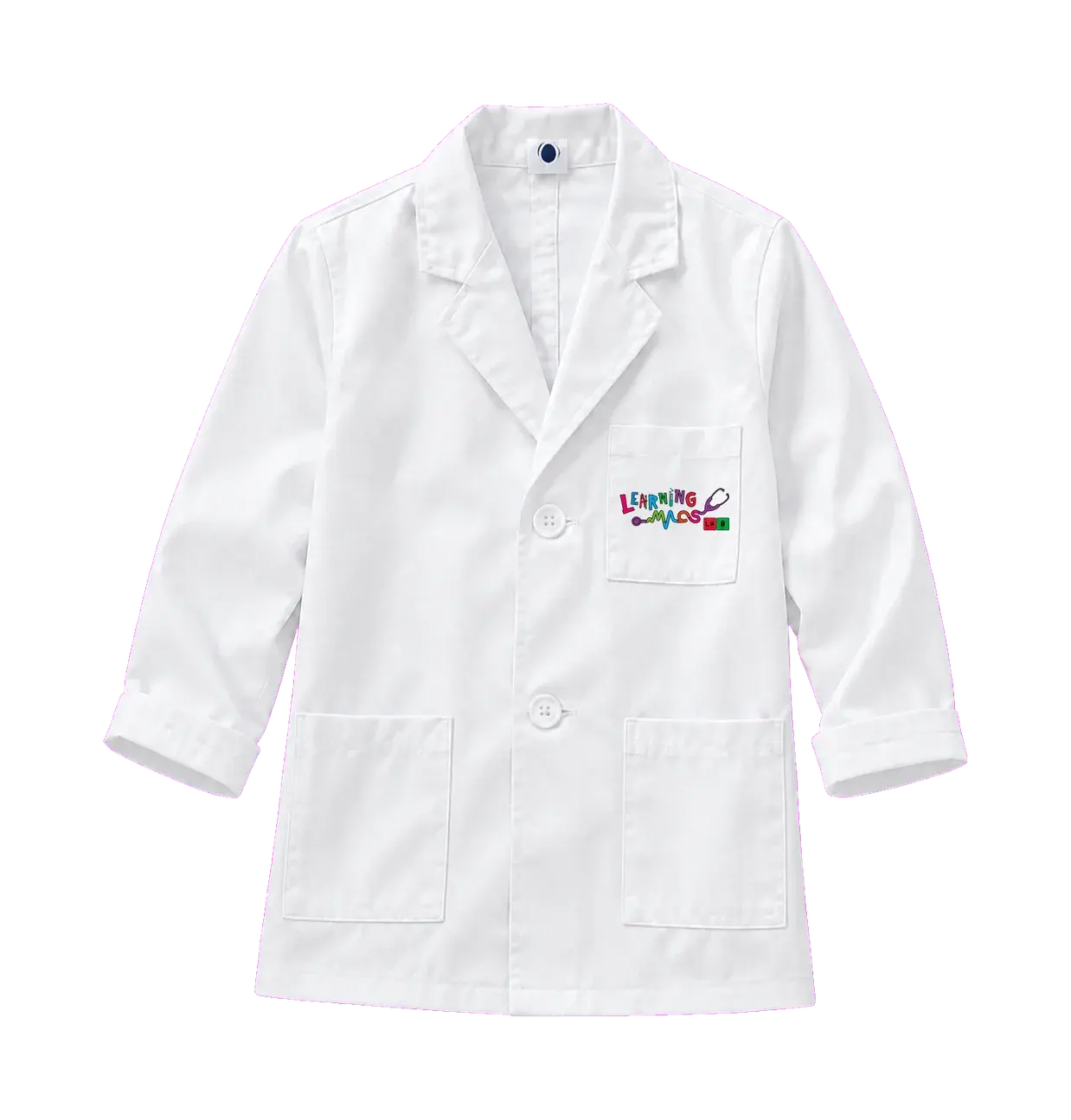
Put it on before the activity and step into the role of a Food Science Agent.
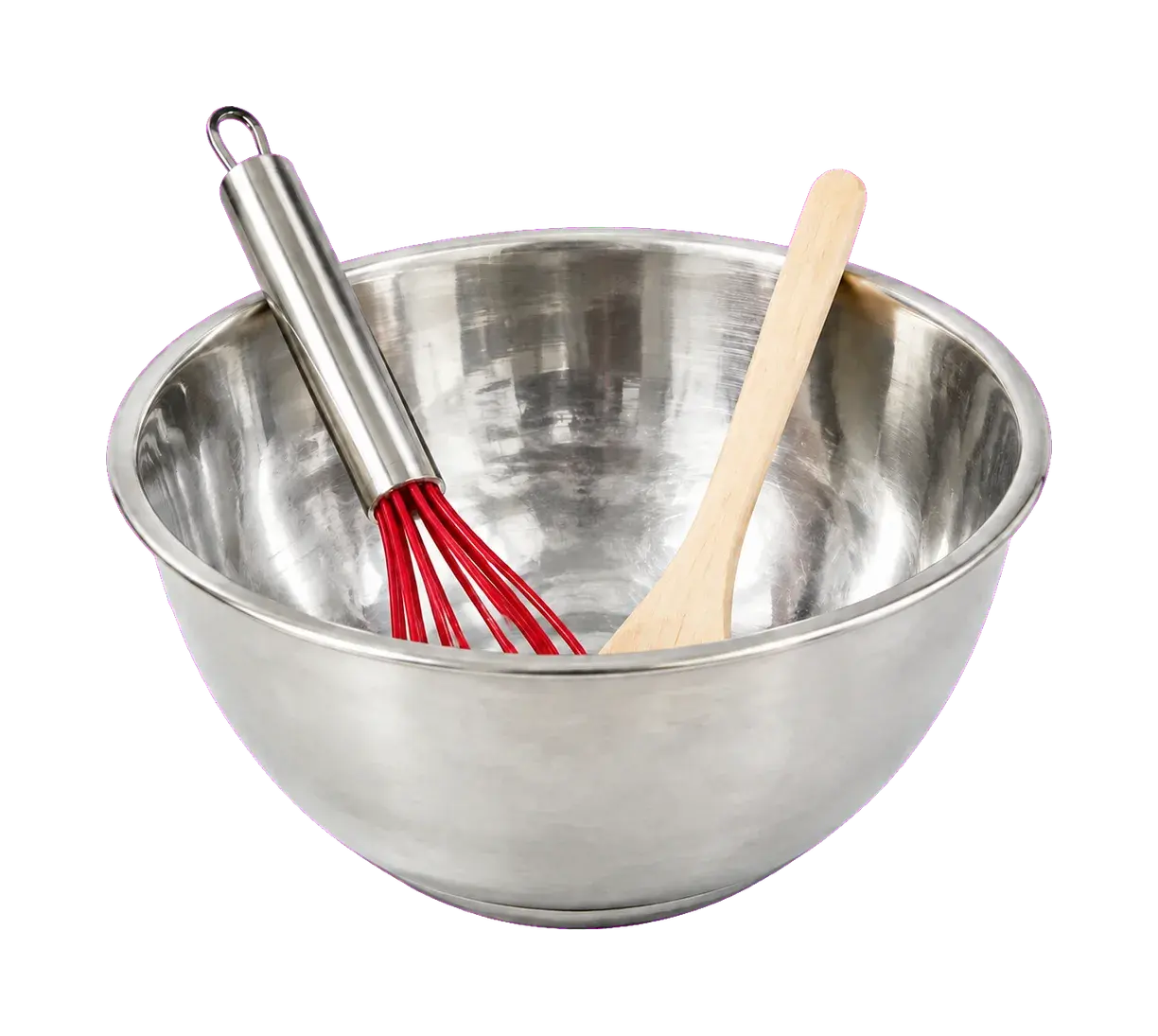
Combine and mix the mission ingredients as directed in the making guide.
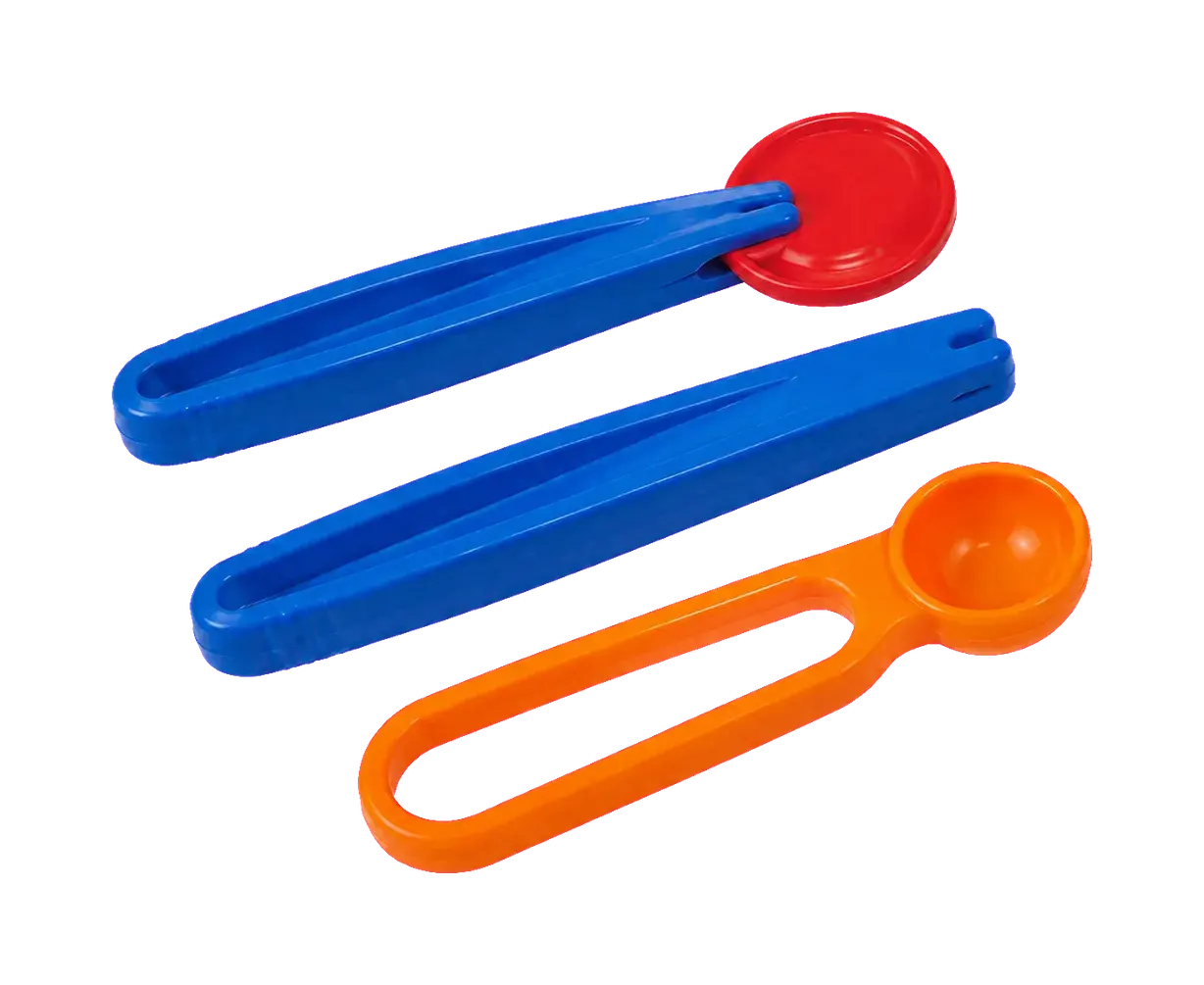
Measure the ingredient amounts listed in the making guide.
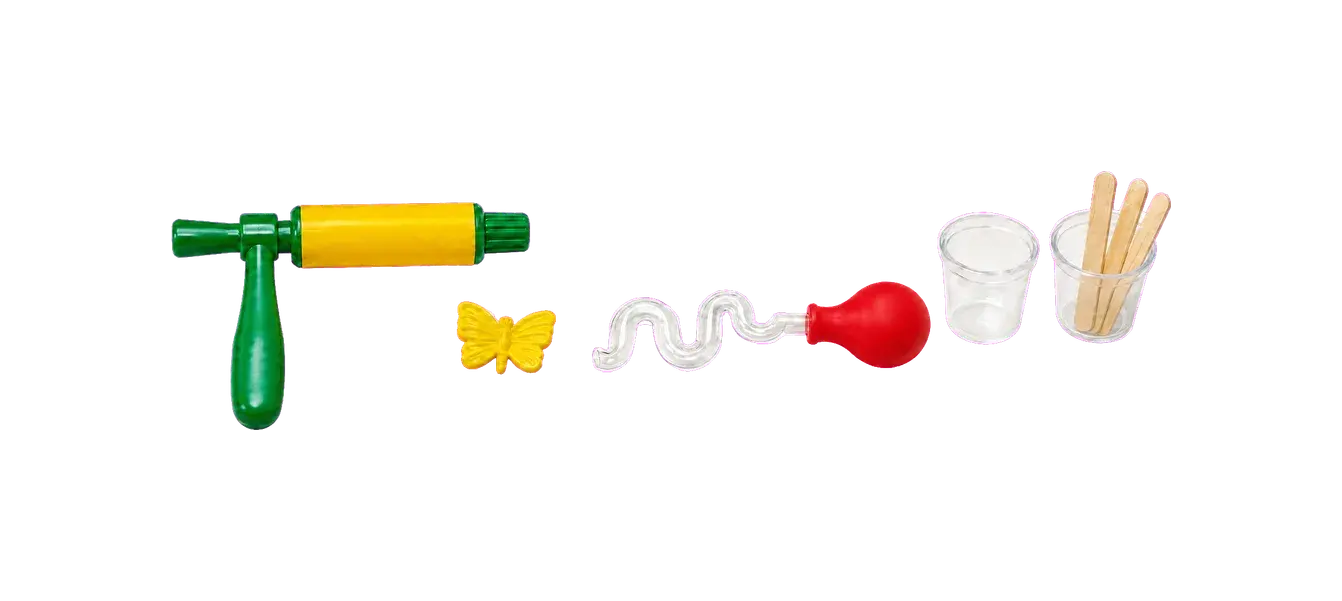
Roll, flatten, handle, and shape materials during the activity.
The MACS 3-step program
Each kit explores one science topic in English across three steps:
read it, think it through, then build it.
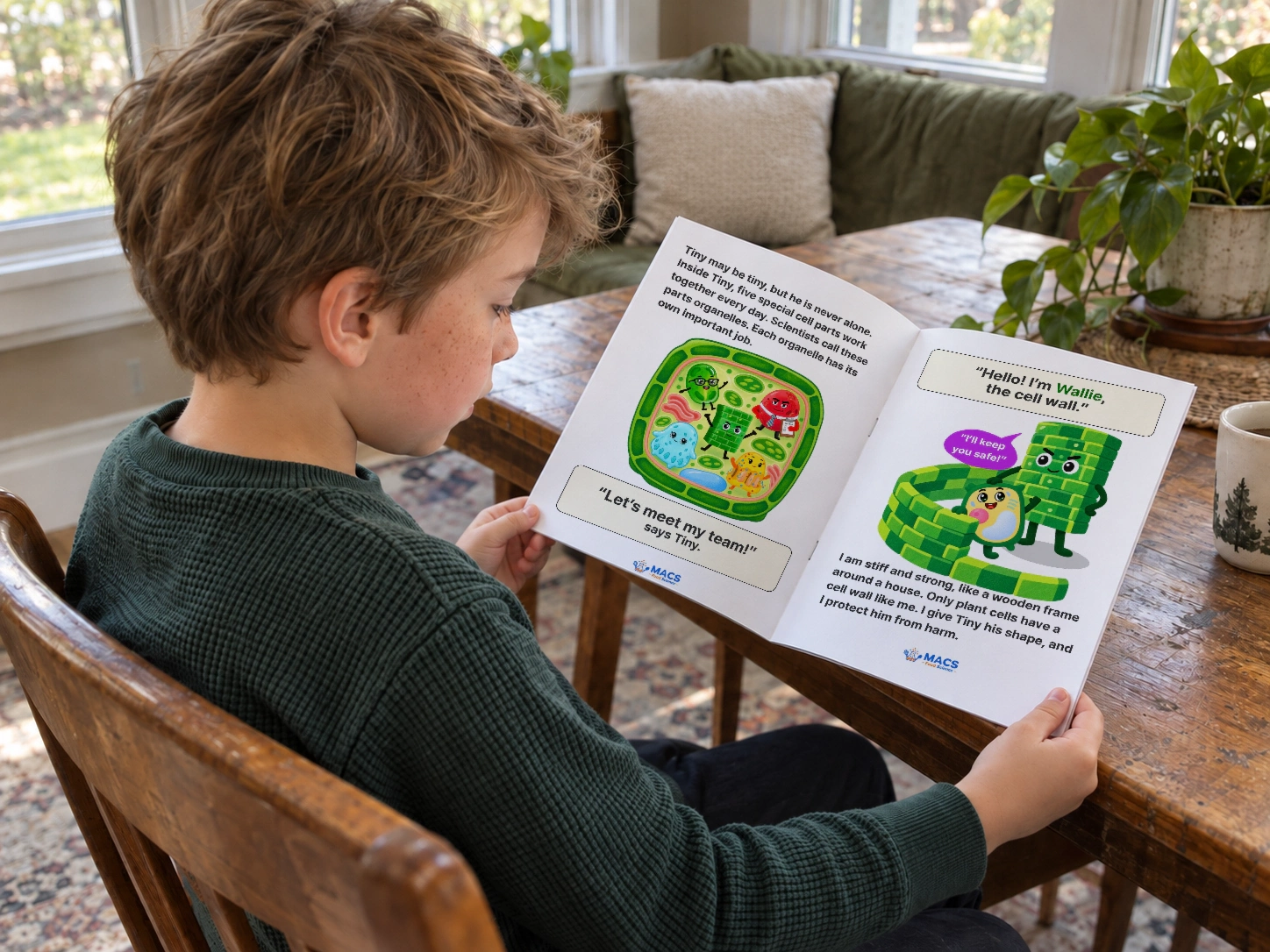
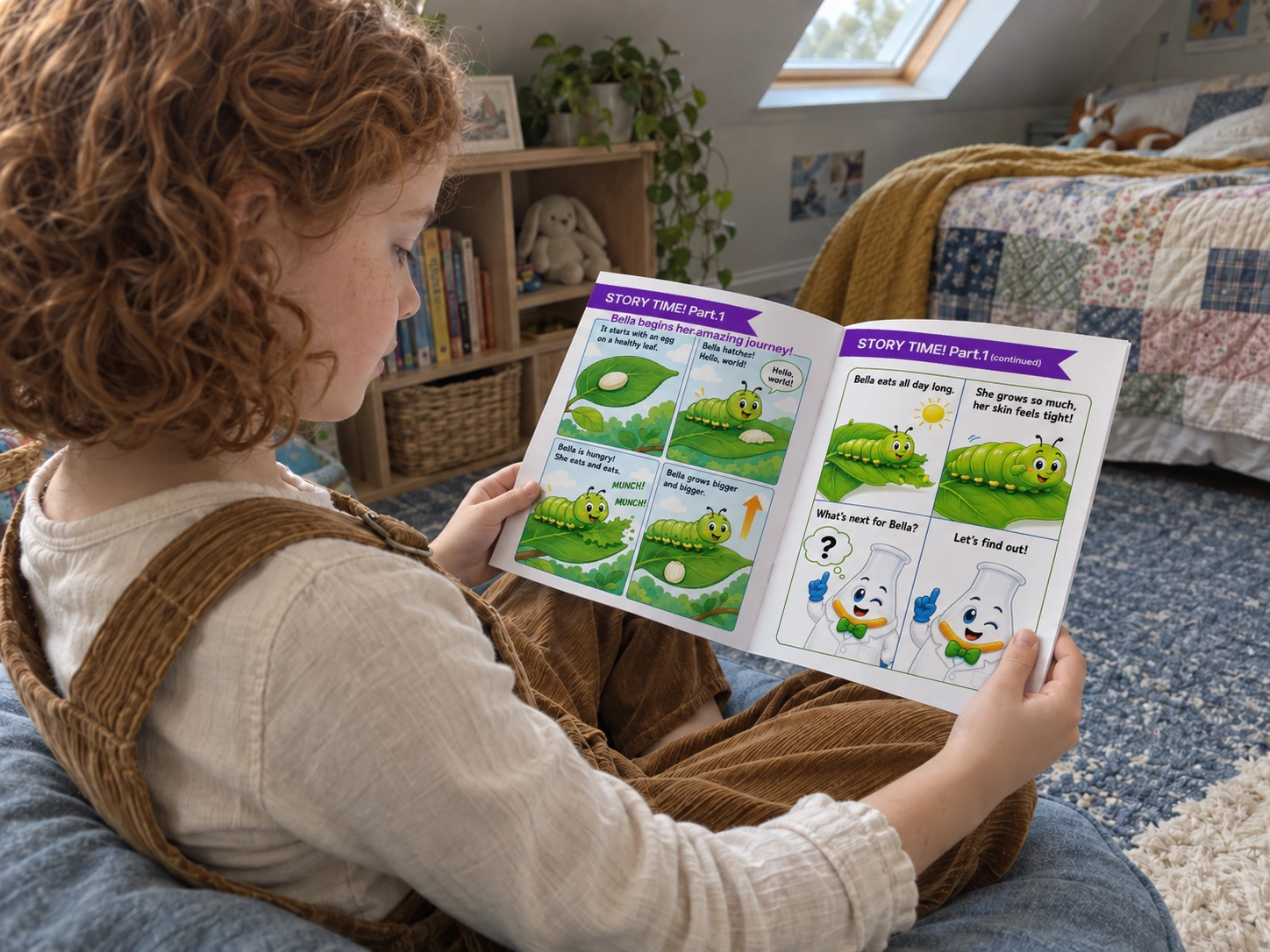
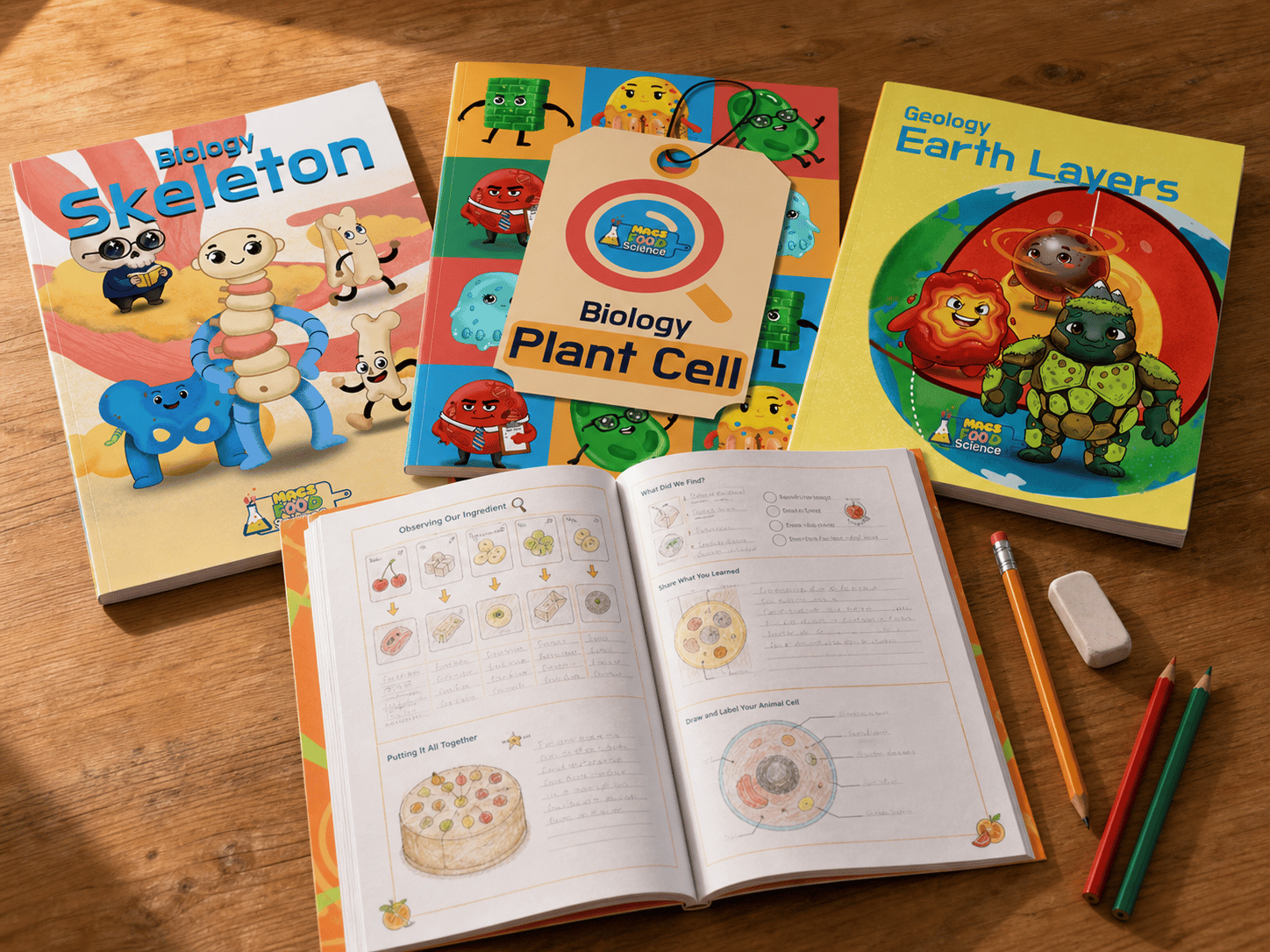
Step 1 · Science story
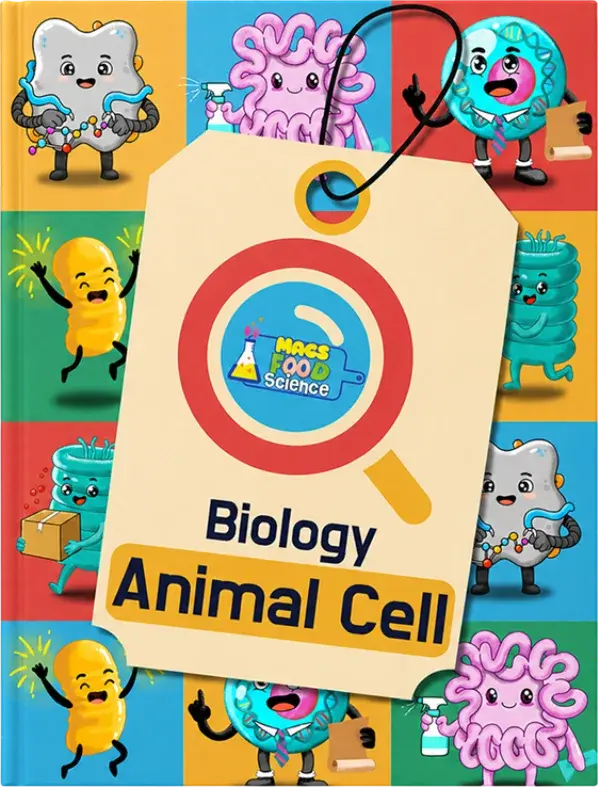
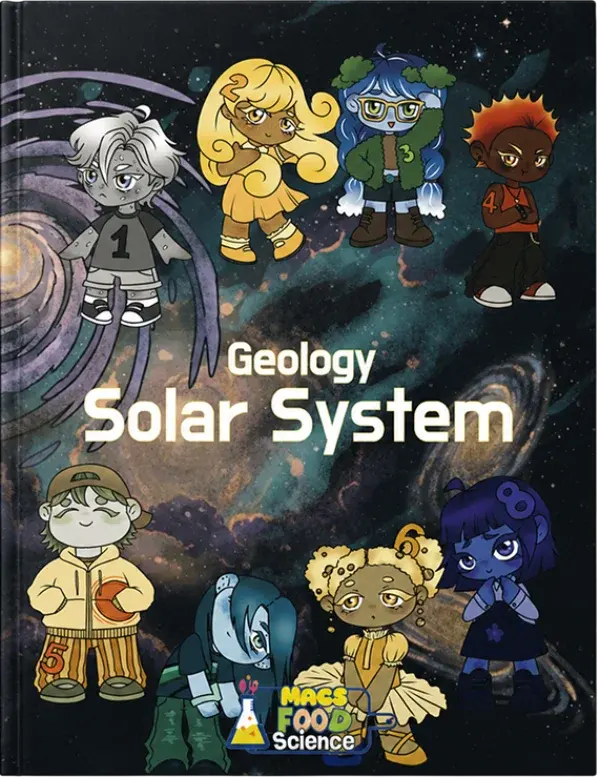
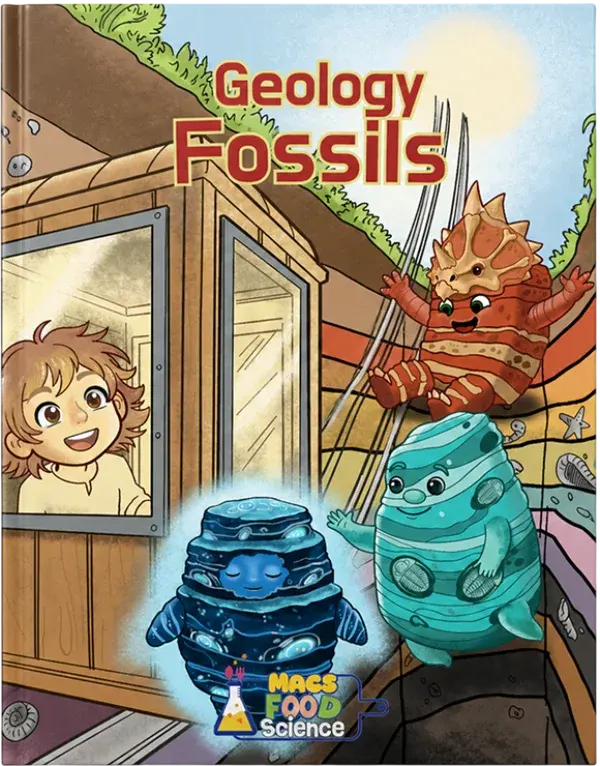
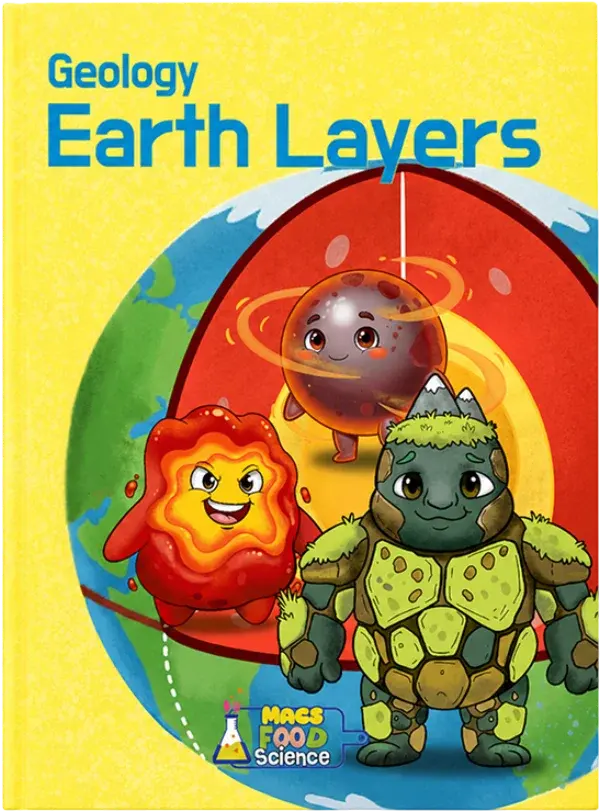
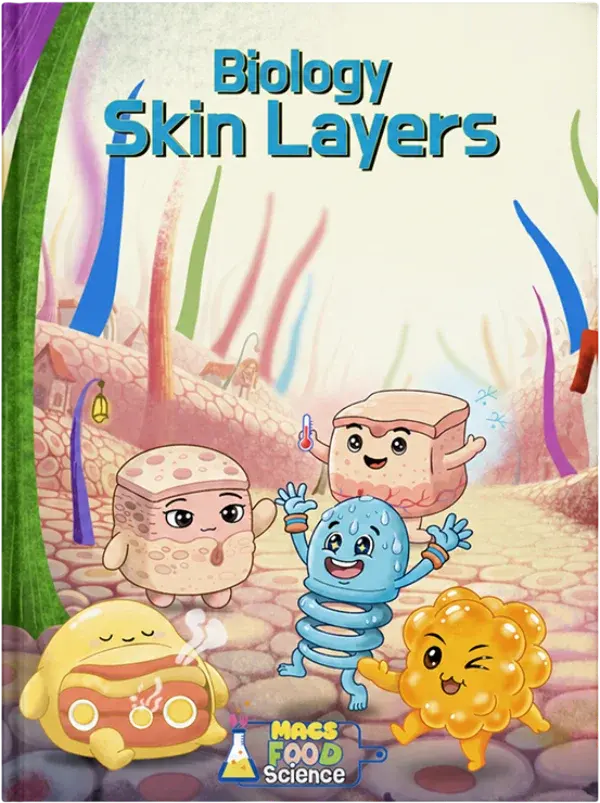
Open the illustrated knowledge book
and meet the idea behind the mission.
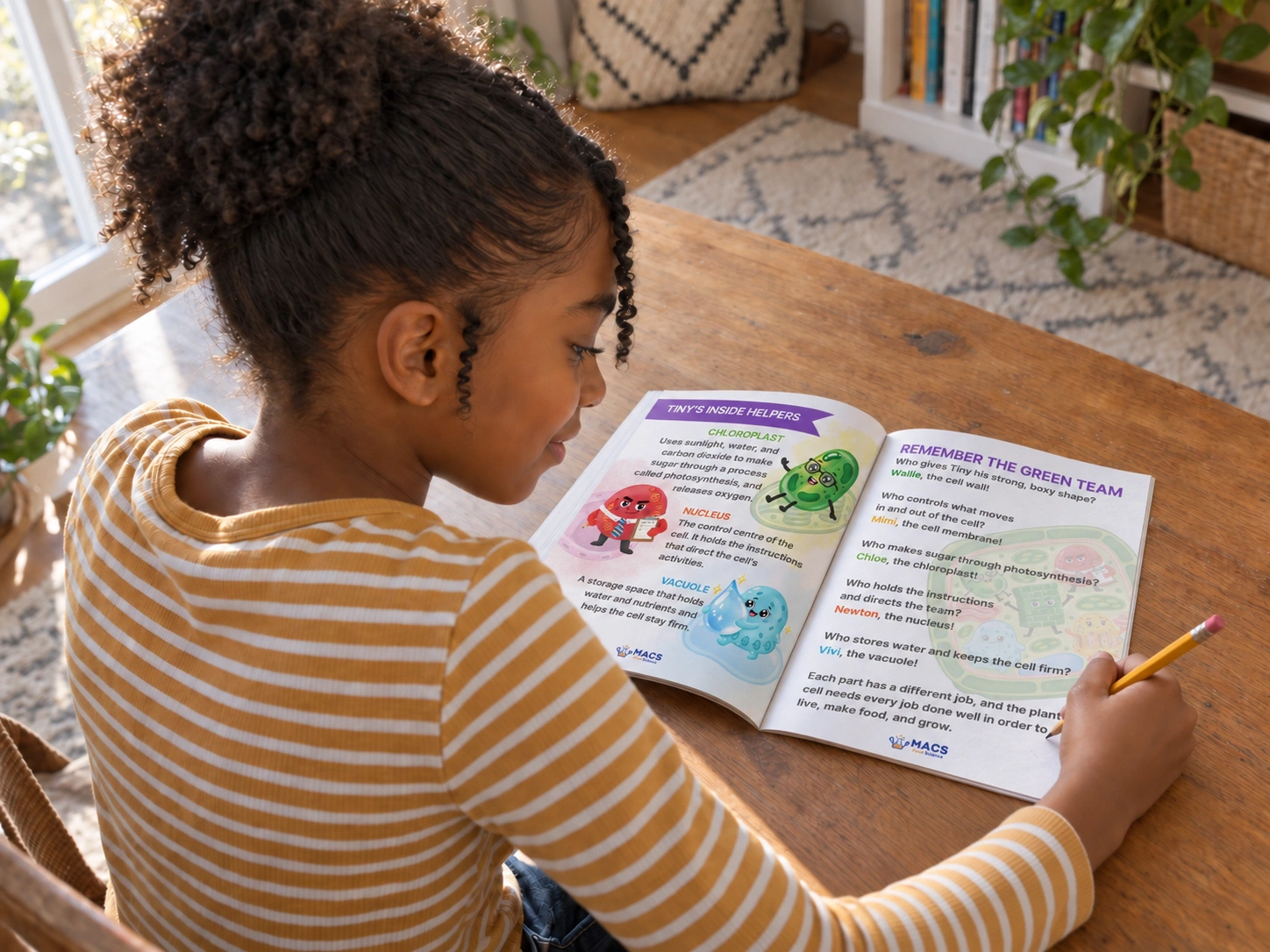
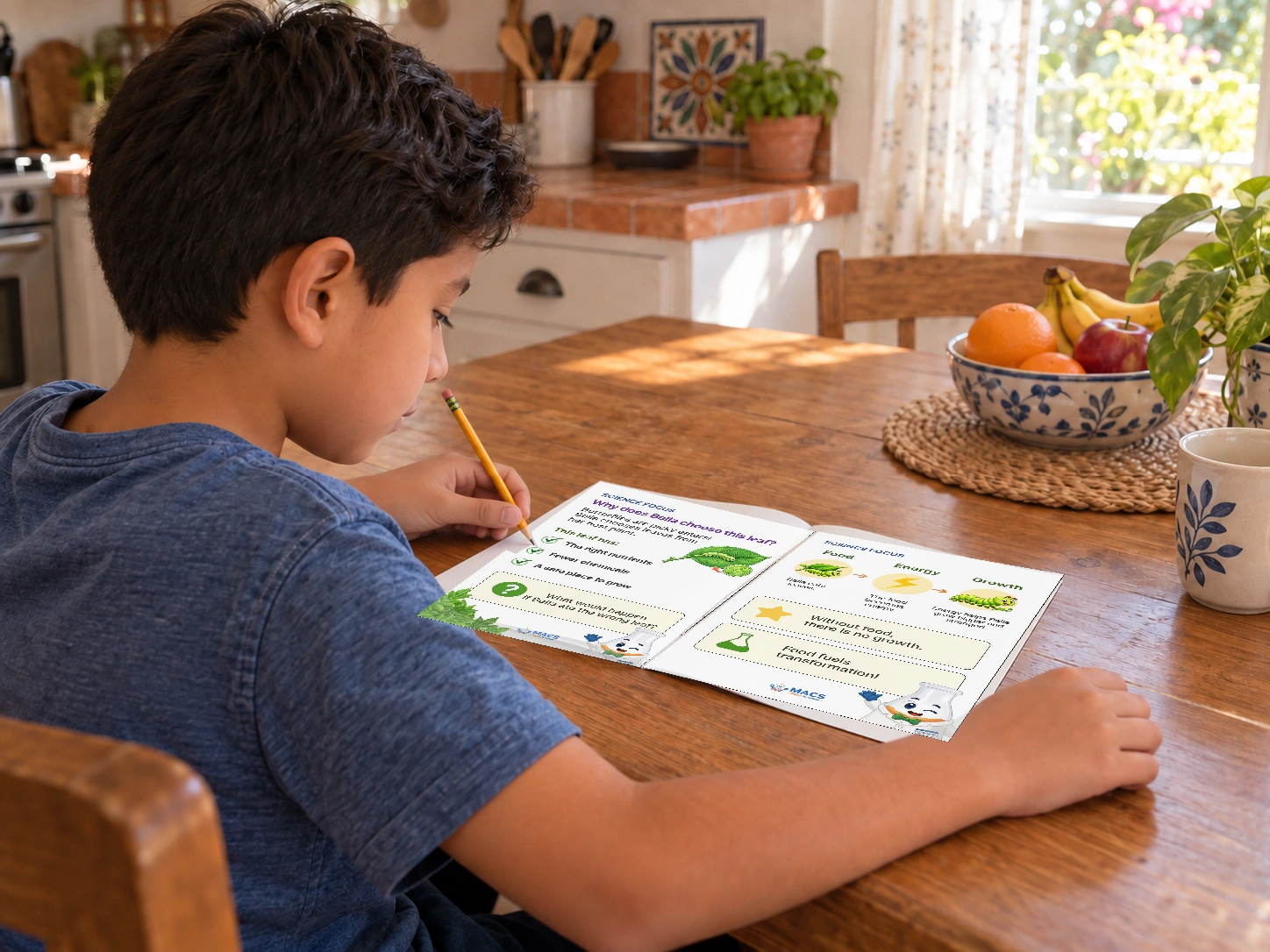
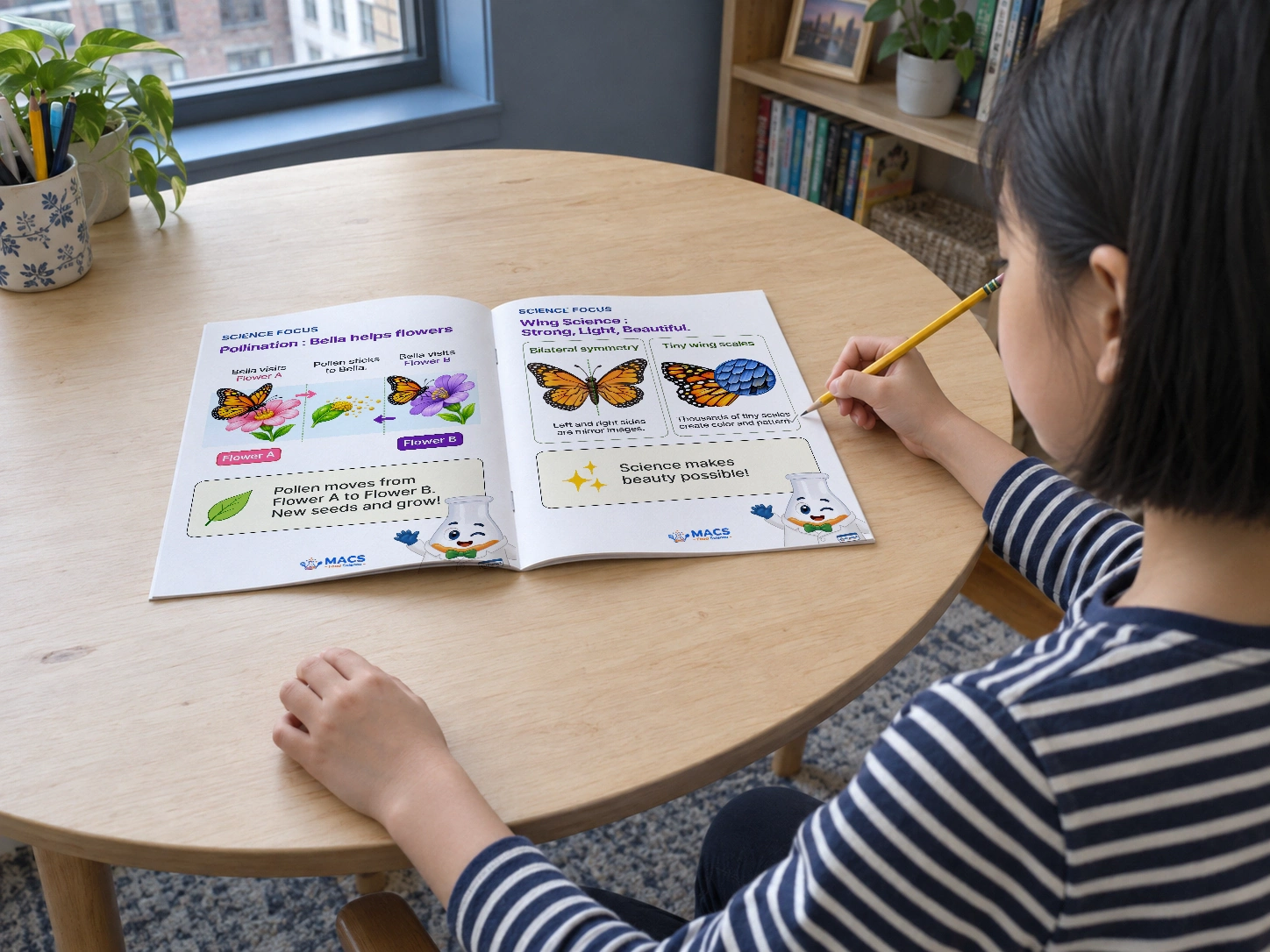
Step 2 · Workbook questions
A child answering a mission workbook question
while parents point to the prompt.
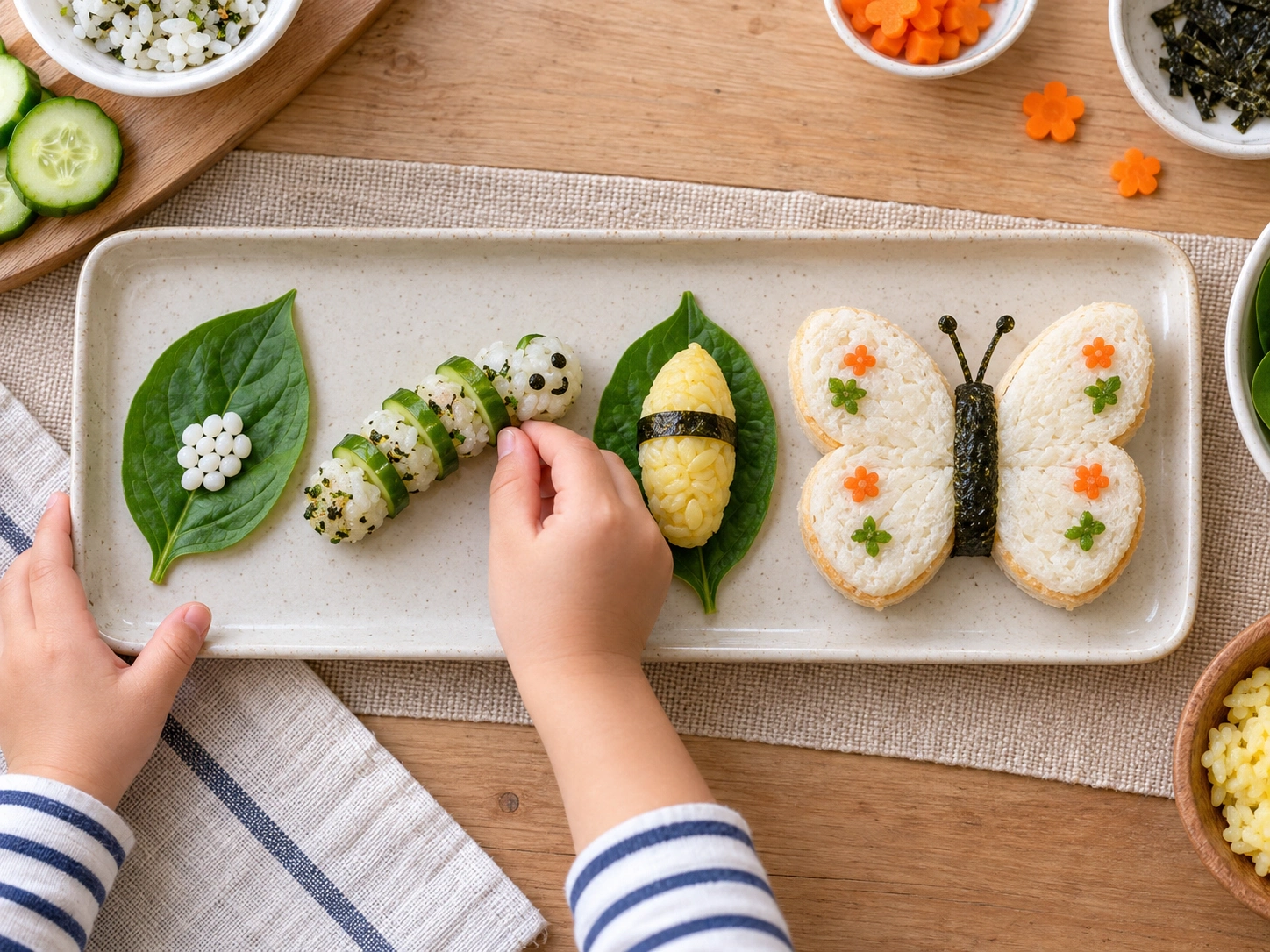
Step 3 · Food and science cooking
Use the tools, molds and ingredients
to observe, measure, mix and shape.
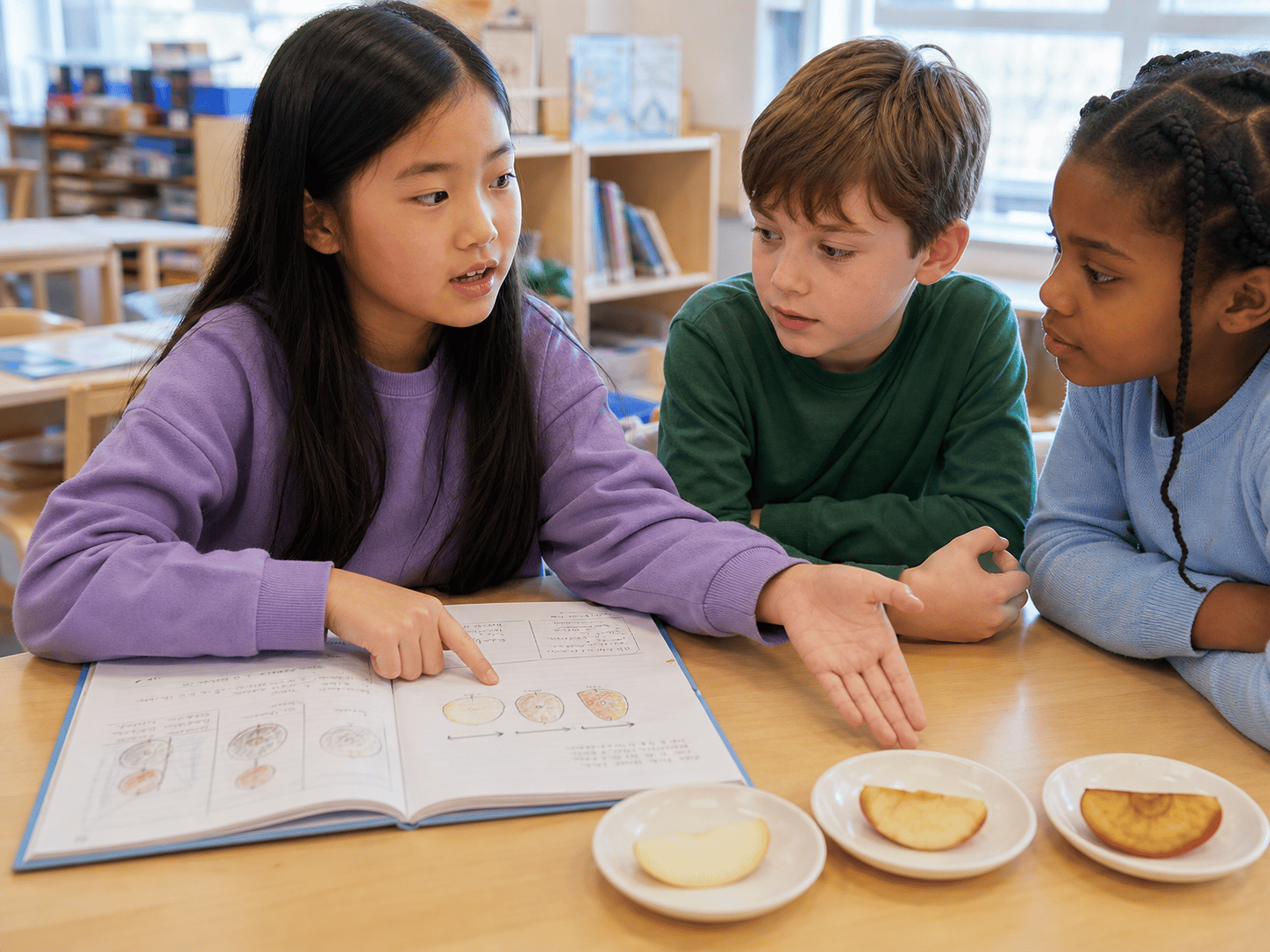
When the edible model is ready, ask your child what it represents.
What stays after the mission ends
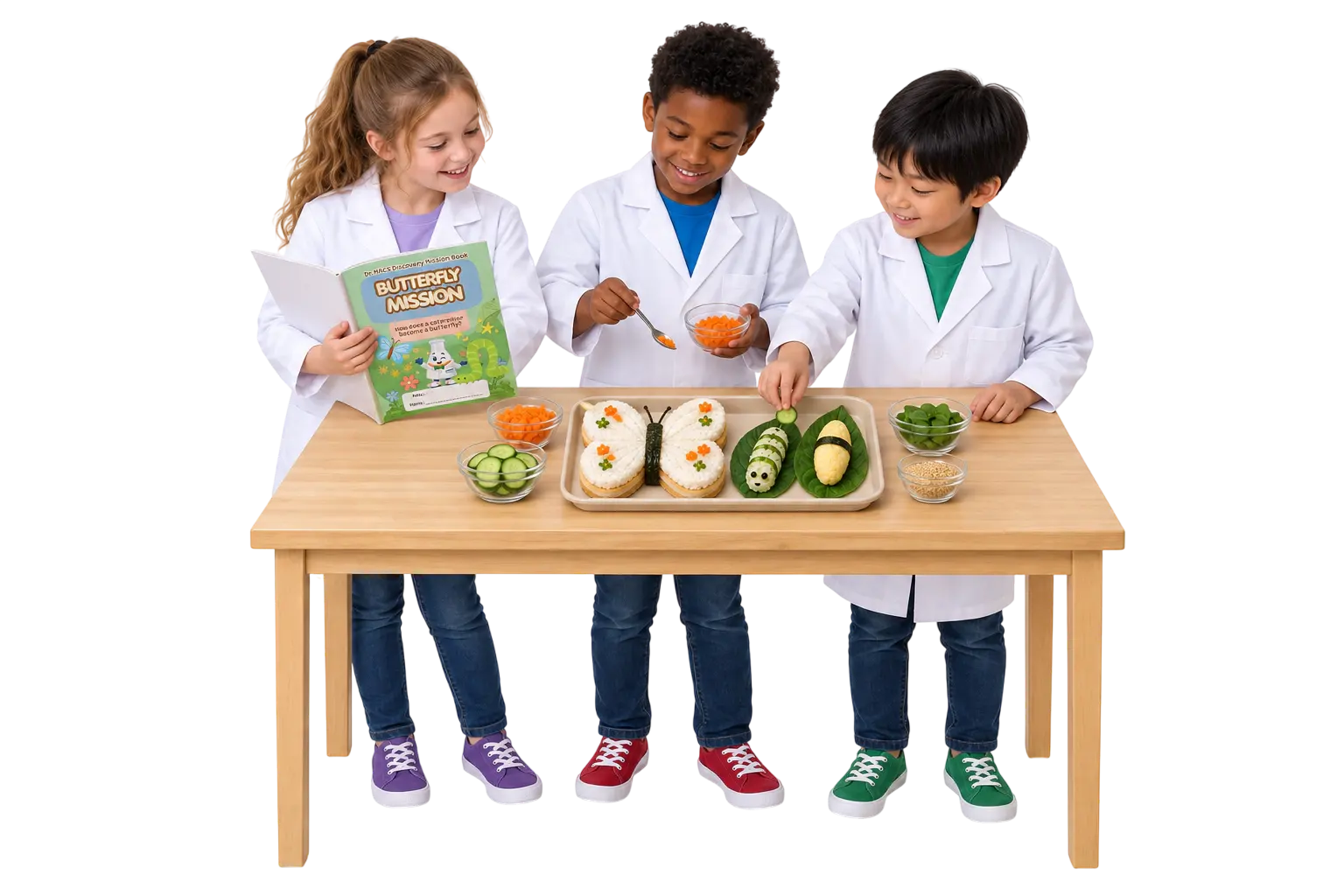
A MACS mission is designed to leave three visible traces: an edible model,
a page of observations, and a science idea your child can talk through.
What kids make
An edible science model
What kids record
A page of observations
What kids explain
The science in their own words
01
An edible science model
02
A page of observations
03
The science in their own words
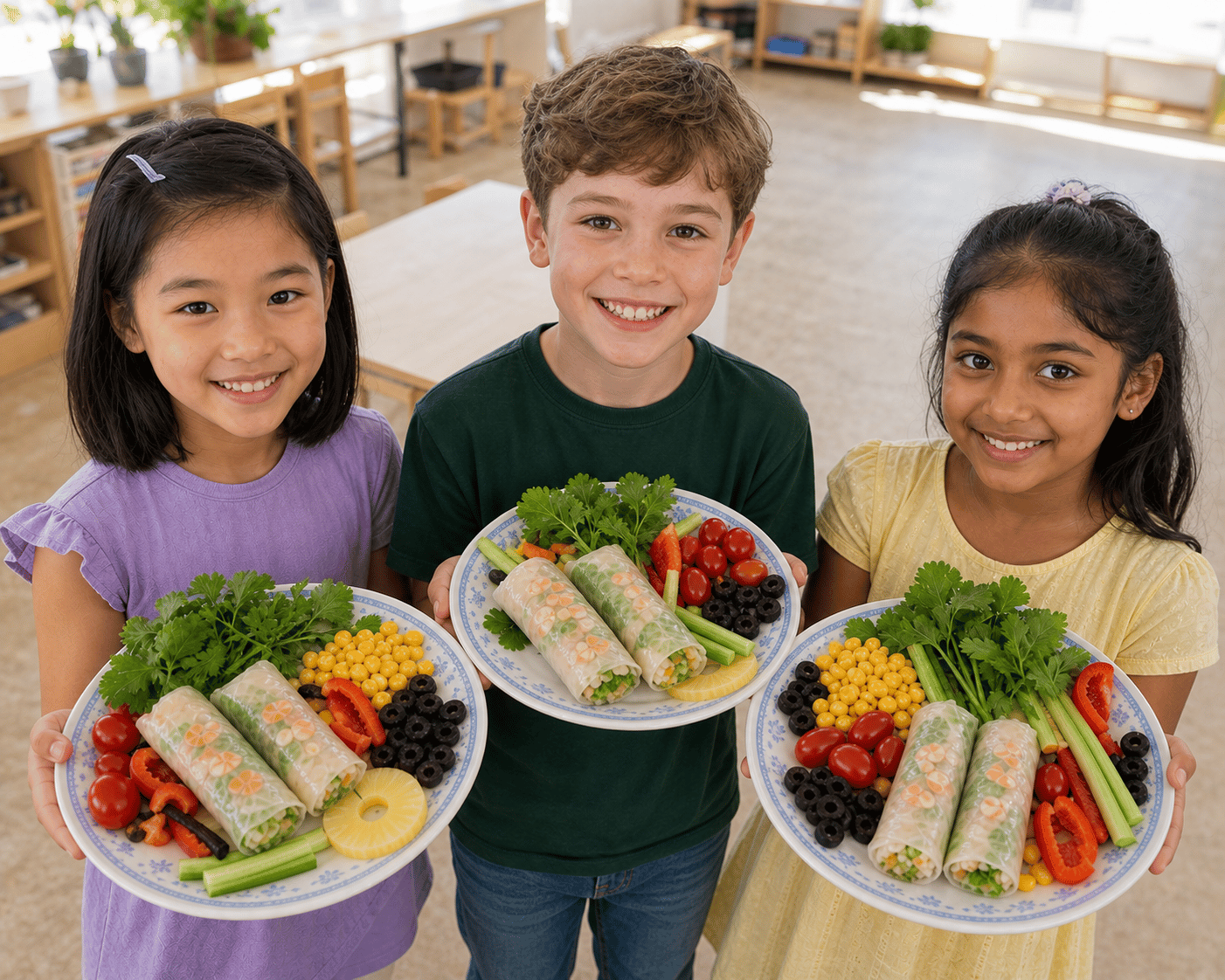
Your child measures, mixes, and shapes the mission ingredients into a model connected to the science story.
What parents said after the missions
Here’s what parents told us
after their children joined our missions.
Interested in a partnership? Contact us
My child loved learning the science, putting it into practice, and then cooking with it. I also liked seeing them try the food with an open mind. The moment class ended, they asked when they could come back.
It felt like play, but my child was learning science the whole time. I hadn’t seen them stay this focused in ages. It was the rare kind of activity that felt both engaging and worthwhile.
“Wait—this is meat? It’s a blood cell?” My child was fascinated. They loved making the shapes and eating the result. What stayed with me was that the conversation continued at home: they kept telling us what they had learned about blood.
Turning meatballs into blood cells was such a clever idea. My child was excited from start to finish, and even the shapes and colors made the science feel inviting. After class, they announced, “I’m a science chef now!”
I expected a simple activity, but building meatballs shaped like blood cells gave the lesson real depth. Making the model helped the science sink in. Later, my child explained platelets to us at home—and that said everything.
The class was thoughtfully put together and unlike anything we could easily recreate at home. I was amazed by how completely my child focused on every small step from start to finish.
My child loved learning the science, putting it into practice, and then cooking with it. I also liked seeing them try the food with an open mind. The moment class ended, they asked when they could come back.
It felt like play, but my child was learning science the whole time. I hadn’t seen them stay this focused in ages. It was the rare kind of activity that felt both engaging and worthwhile.
“Wait—this is meat? It’s a blood cell?” My child was fascinated. They loved making the shapes and eating the result. What stayed with me was that the conversation continued at home: they kept telling us what they had learned about blood.
Turning meatballs into blood cells was such a clever idea. My child was excited from start to finish, and even the shapes and colors made the science feel inviting. After class, they announced, “I’m a science chef now!”
I expected a simple activity, but building meatballs shaped like blood cells gave the lesson real depth. Making the model helped the science sink in. Later, my child explained platelets to us at home—and that said everything.
The class was thoughtfully put together and unlike anything we could easily recreate at home. I was amazed by how completely my child focused on every small step from start to finish.
FAQ
See how a mission works and what to check before bringing one home.
The food is also a science model. Children begin with a science idea, use the workbook to investigate it, then measure, mix, and shape ingredients before explaining what the finished model shows.
First, read the illustrated science story. Next, explore its questions and observations in the workbook. Then measure, mix, and shape the edible model—and ask your child to explain what each part represents.
MACS kits are designed for ages 5 and up. For safety while cooking, we recommend that a parent or caregiver join the activity. Check the age guidance on the Amazon listing and package before you buy, since the tools and steps vary by kit.
No. Each mission is designed for beginners. We recommend that a parent or caregiver read the instructions, introduce the tools, and help with any step the child cannot safely manage alone.
Each kit is different. Depending on the mission, the box may include illustrated science materials, a workbook or activity guide, food-making instructions, mission ingredients, and tools or molds. Check the Amazon listing and package for the exact contents.
Some missions may require additional household ingredients or tools. Check the selected kit’s ‘You’ll also need’ list before you begin.
Read the full ingredient list and allergen statement for the exact kit before purchase, then check the package again before use. If you are not sure whether an ingredient is safe for your child, do not use it.
For safety while cooking, we recommend that a parent or caregiver join the activity. They can review the instructions and ingredients, introduce the tools, and help with any step the child cannot safely manage alone.
Open the kit on Amazon to see whether it is available for delivery to your location. Price, stock, and delivery options depend on the Amazon marketplace and destination you select.
Choose a kit, build an edible model, and help your child explain the science behind it.
Interested in a partnership? Contact us